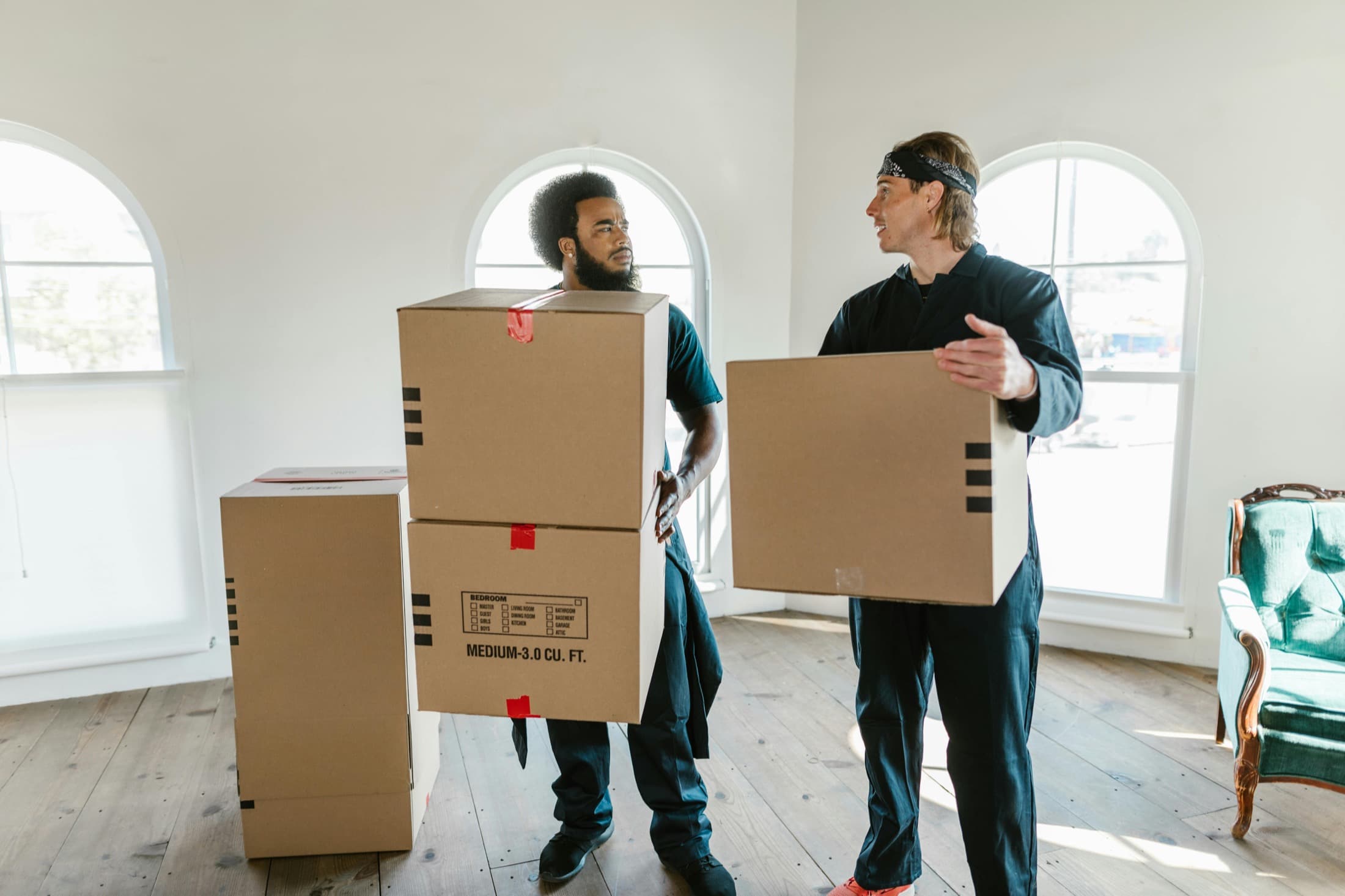
Movers get your things into the apartment. That is not the same as being moved in.
In NYC, the real work usually starts after the truck leaves: finding the sheets, building the bed, clearing the hallway, making the kitchen usable, and dealing with a cardboard pile that somehow has its own lease.
Use this checklist to get through move-in day in the right order.
Direct answer
A NYC move-in day checklist should cover what happens before the movers arrive, what must happen while they are there, and what to do after the movers leave: confirm building rules, protect the move window, clear paths, inspect items, unpack first-night essentials, build the bed, make the bathroom and kitchen usable, break down cardboard, and list anything worth outsourcing.
Before movers arrive
Confirm the building rules before the truck gets close. Ask about elevator reservations, loading zones, move-in hours, doorman instructions, freight elevator access, trash room rules, and whether management needs paperwork from your moving company.
Put the details in one note you can send to movers, roommates, family, and anyone making furniture deliveries. Move day gets expensive when the lobby, elevator, or curb plan is a surprise.
- Building move-in window
- Elevator or stair plan
- Truck parking and loading instructions
- Access codes, keys, and doorman notes
- Trash, recycling, and cardboard rules
- Delivery timing for mattresses or furniture
Pack one first-night box
Do not let your first night depend on finding the right box at 11 p.m. Pack one clear bag or bin that does not leave your sight.
This is not the nice-to-have box. This is the box that keeps you from sleeping in street clothes and brushing your teeth with your finger.
- Sheets, pillows, towel, and pajamas
- Toilet paper, soap, toothbrush, and medication
- Phone charger, laptop charger, and a small lamp
- Paper towels, trash bags, scissors, and basic cleaner
- One plate, one cup, utensils, coffee, and breakfast basics
- Pet, kid, or work items you need before the apartment is unpacked
During the move, protect paths and rooms
The apartment should not become one giant box pile. As items arrive, keep a walking path from the door to the bathroom, bedroom, and kitchen.
Use room labels aggressively. If a box belongs in the bedroom, it should not die in the living room just because that was the first open floor space.
- Keep the entry path open
- Put bedroom boxes in the bedroom
- Put kitchen boxes in the kitchen
- Keep hardware bags with the furniture they belong to
- Photograph damage before anything gets moved again

Unpack the first-night essentials
Once the movers leave, do not start with decor. Start with the rooms that decide whether the apartment works tonight.
Set up the bathroom, bed, and basic kitchen before you touch books, art, extra clothes, or the mystery box you labeled "misc."
- Bathroom: towel, toiletries, shower curtain, soap, and toilet paper
- Bedroom: bed frame or mattress placement, sheets, pillows, and charger
- Kitchen: trash bags, paper towels, cups, plates, utensils, and one pan
- Entry: keys, shoes, mail, bags, and anything you need before work
Build the furniture that changes the day
Movers may place furniture, but they usually do not turn flat-pack boxes into a usable apartment. Start with the pieces that change how you live tonight.
The bed comes first. Then storage, table, desk, seating, and anything needed to stop boxes from blocking the apartment.
- Bed frame and mattress
- Dresser, closet pieces, or basic storage
- Desk or work setup if work starts soon
- Dining table or small eating surface
- Sofa or seating that opens up the living area

Handle only the installs that are actually ready
Small setup work can make the apartment feel finished fast, but do not force risky jobs into move-in day. Hang simple art or mirrors only when the wall type, hardware, lease rules, and building rules are clear.
Leave hardwired lighting, heavy shelves, TV mounting, electrical work, and anything structural to properly scoped help.
- Plug in lamps before changing fixtures
- Use temporary placement before drilling
- Ask before making holes in rental walls
- Separate simple art hanging from heavy mounting work
- Track landlord or super repairs instead of trying to fix everything yourself
Break down cardboard before it wins
Cardboard takes over NYC apartments quickly. Flatten boxes as rooms clear instead of saving all of it for the end.
Follow your building trash room rules. DSNY guidance says corrugated cardboard should be flattened and bundled, and cardboard boxes should not be used as recycling bins.
Make a quick outsource list
By the end of move-in day, make one list of what is still on your plate. Split it into single tasks and whole-apartment setup work.
If the list is one small job, a task helper may be enough. If the list includes unpacking, assembly, room setup, kitchen basics, bathroom basics, and cardboard, that is a setup day.
- Furniture still in boxes
- Rooms that are not usable yet
- Kitchen or bathroom basics still missing
- Art, mirrors, or mounting that needs proper scope
- Returns, missing parts, or damaged items
- Cardboard and packing material that needs a plan
Official resources
Official NYC move-in links
Primary sources for cardboard, recycling, mover checks, and elevator questions.
- DSNY cardboard recycling rulesOfficial guidance for flattening and bundling corrugated cardboard after move day.
- NYC311 recycling rulesCity setout rules for paper, cardboard, recycling bins, and clear bags.
- NYS DOT mover guidanceState guidance on licensed movers, estimates, inventories, and mover complaints.
- NYC DOB elevator FAQsBackground on elevator records and building elevator questions that can affect move logistics.